Places of the Bible
Gerar
City
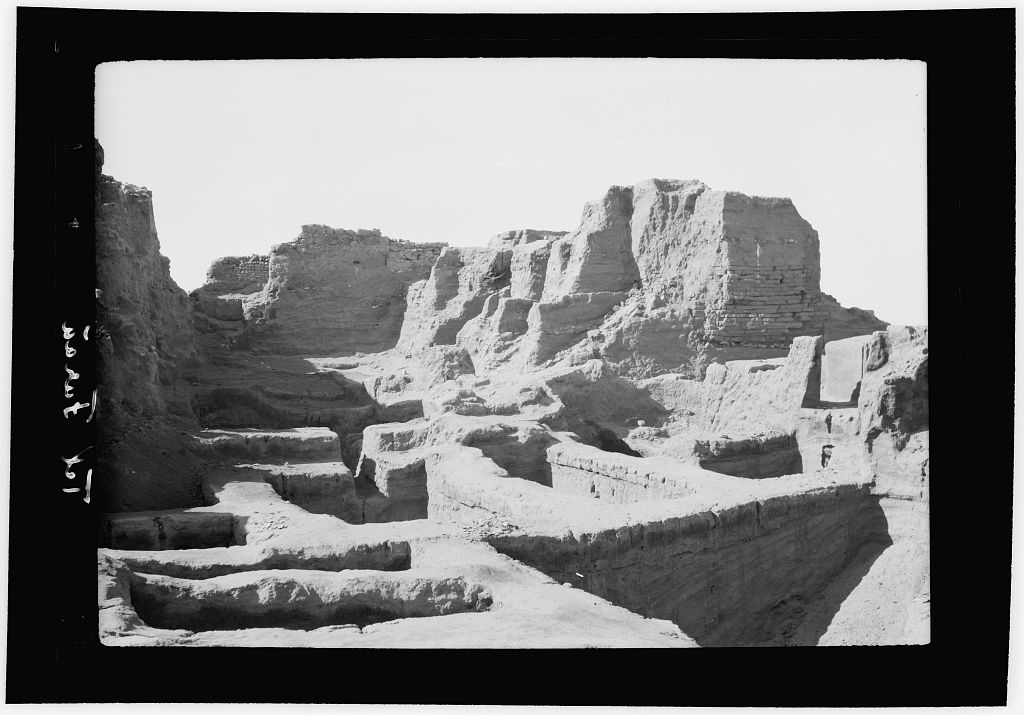
What the spade found
Gerar is generally identified with Tell Haror, a tell — a mound raised by one settlement built on the ruins of the last. It has been surveyed but not excavated, and at its largest covered 16 hectares.
Occupation shows in 6 dated phases: Middle Bronze Age II-III, Late Bronze Age I-II, Late Bronze Age III, Iron Age I, Iron Age IIb-c, Iron Age III (Persian).
The excavation is from the survey dataset From Villages to Empires (Zanoni and others, 2025), used under CC BY 4.0. The identification is the one modern scholarship settles on, compiled by OpenBible.info from over seventy works, also under CC BY 4.0. Identifying a mound with a biblical name is a scholarly judgement, and for some places it is still debated.
Easton’s Bible Dictionary
A region; lodging-place, a very ancient town and district in the south border of Palestine, which was ruled over by a king named Abimelech (Gen. 10:19; 20:1, 2). Abraham sojourned here, and perhaps Isaac was born in this place. Both of these patriarchs were guilty of the sin of here denying their wives, and both of them entered into a treaty with the king before they departed to Beersheba (21:23-34; 26). It seems to have been a rich pastoral country (2 Chr. 14:12-18). Isaac here reaped an hundred-fold, and was blessed of God (Gen. 26:12). The “valley of Gerar” (Gen. 26:17) was probably the modern Wady el-Jerdr.
From M. G. Easton, Illustrated Bible Dictionary (1893), in the public domain.
Named in 9 verses
The place, its people and its events come from Theographic, a knowledge graph of the Bible by Robert Rouse, used and shared under CC BY-SA 4.0.