Places of the Bible
Haran
City
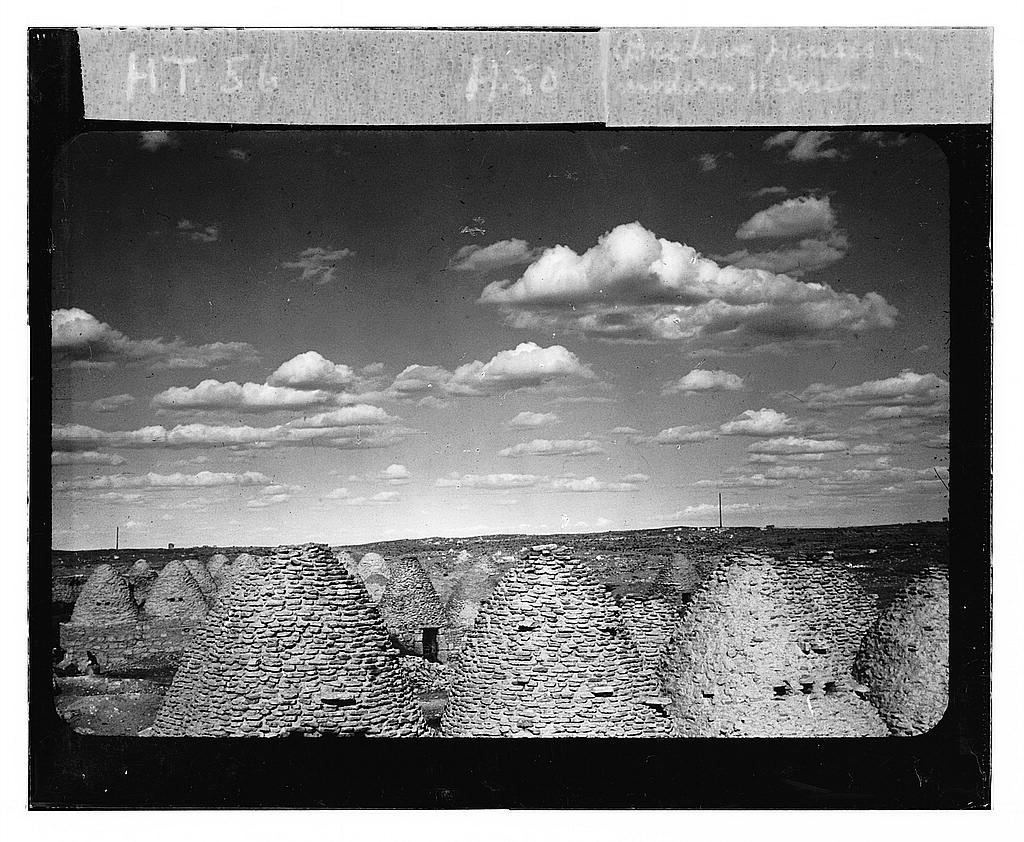
- Died here
- Terah
What happened here
- Death of Terah · 1920 BC
- Abraham enters Canaan · 1920 BC
Where the name appears
Events told in passages that name Haran, and how many of their verses do. That is not the same as saying they happened here: a place can be named as a landmark, as somewhere being travelled to, or as the subject of a prophecy.
A dot is a moment; a bar is something that lasted, drawn to its length. The fainter the mark, the fewer verses name the place.
- Prophecies of Isaiah · 758 BC · 1 verse
- Reign of Hezekiah · 725 BC · 1 verse
- Prophecies of Ezekiel · 592 BC · 1 verse
Easton’s Bible Dictionary
Heb. haran, i.e., “parched;” or probably from the Accadian charana, meaning “a road.” A celebrated city of Western Asia, now Harran, where Abram remained, after he left Ur of the Chaldees, till his father Terah died (Gen. 11:31, 32), when he continued his journey into the land of Canaan. It is called “Charran” in the LXX. and in Acts 7:2. It is called the “city of Nahor” (Gen. 24:10), and Jacob resided here with Laban (30:43). It stood on the river Belik, an affluent of the Euphrates, about 70 miles above where it joins that river in Upper Mesopotamia or Padan-aram, and about 600 miles northwest of Ur in a direct line. It was on the caravan route between the east and west. It is afterwards mentioned among the towns taken by the king of Assyria (2 Kings 19:12; Isa. 37:12). It was known to the Greeks and Romans under the name Carrhae.
From M. G. Easton, Illustrated Bible Dictionary (1893), in the public domain.
Named in 10 verses
The place, its people and its events come from Theographic, a knowledge graph of the Bible by Robert Rouse, used and shared under CC BY-SA 4.0.