Edom
Region
79 verses · 21 books
Where the name appears
Events told in passages that name Edom, and how many of their verses do. That is not the same as saying they happened here: a place can be named as a landmark, as somewhere being travelled to, or as the subject of a prophecy.
- 1490 BCWilderness Wanderings
1 verse
Exodus15:15 - 1277 BCDeliverance by Barak And Deborah
1 verse
Judges5:4 - 1151 BCDeliverance by Jephthah
- 1094 BCReign of Saul
1 verse
1 Samuel14:47 - 1054 BCReign of David
- 1014 BCReign of Solomon
- 913 BCReign of Jehoshaphat
1 verse
1 Kings22:47 - 896 BCProphecies of Elisha
- 892 BCReign of Jehoram
- 838 BCReign of Amaziah
1 verse
2 Kings14:10 - 819 BCProphecies of Joel
1 verse
Joel3:19 - 787 BCProphecies of Amos
- 758 BCProphecies of Isaiah
- 627 BCProphecies of Jeremiah
- 605 BCProphecies of Daniel
1 verse
Daniel11:41 - 592 BCProphecies of Ezekiel
- 584 BCProphecies of Obadiah
- 441 BCProphecies of Malachi
1 verse
Malachi1:4
Easton’s Bible Dictionary
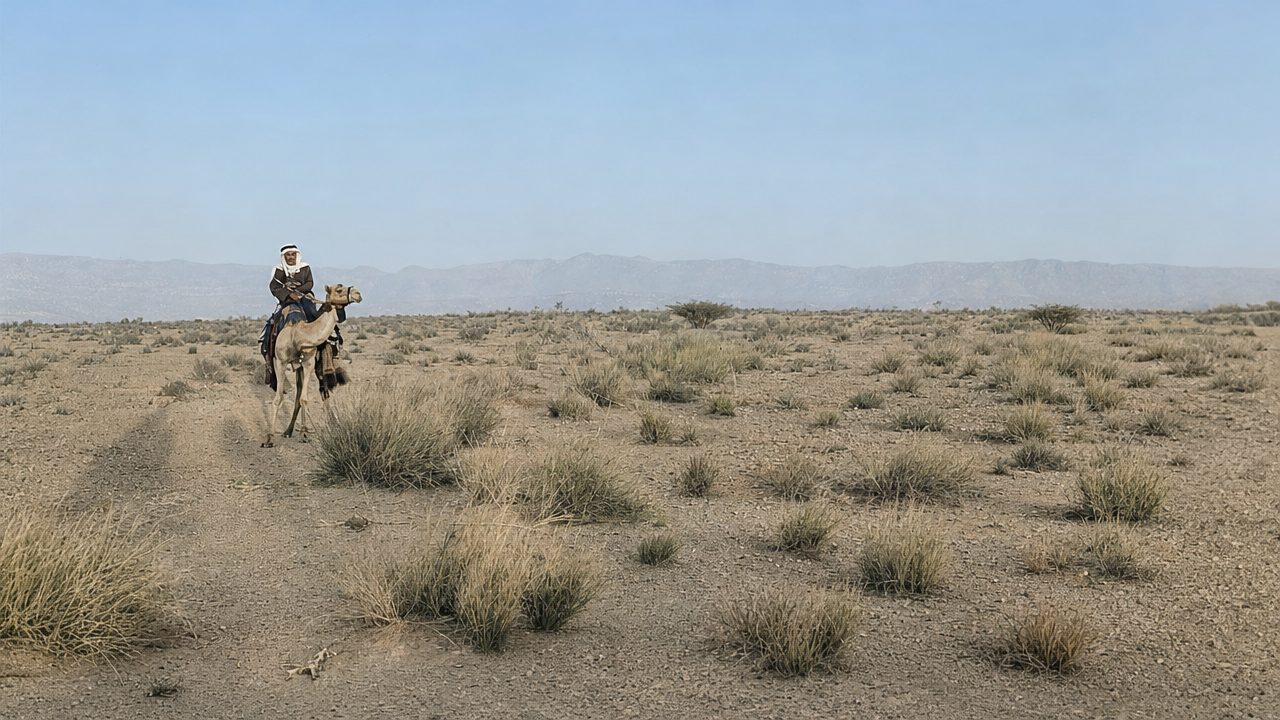
Idumea (Isaiah 34:5, 6; Ezekiel 35:15). “The field of Edom” (Genesis 32:3), “the land of Edom” (Genesis 36:16), was mountainous (Obadiah 1:8, 9, 19, 21). It was called the land, or “the mountain of Seir,” the rough hills on the east side of the Arabah. It extended from the head of the Gulf of Akabah, the Elanitic gulf, to the foot of the Dead Sea (1 Kings 9:26), and contained, among other cities, the rock-hewn Sela (q.v.), generally known by the Greek name Petra (2 Kings 14:7). It is a wild and rugged region, traversed by fruitful valleys. Its old capital was Bozrah (Isaiah 63:1). The early inhabitants of the land were Horites. They were destroyed by the Edomites (Deuteronomy 2:12), between whom and the kings of Israel and Judah there was frequent war (2 Kings 8:20; 2 Chronicles 28:17).
At the time of the Exodus they churlishly refused permission to the Israelites to pass through their land (Numbers 20:14-21), and ever afterwards maintained an attitude of hostility toward them. They were conquered by David (2 Samuel 8:14; comp. 1 Kings 9:26), and afterwards by Amaziah (2 Chronicles 25:11, 12). But they regained again their independence, and in later years, during the decline of the Jewish kingdom (2 Kings 16:6; R.V. marg., “Edomites”), made war against Israel. They took part with the Chaldeans when Nebuchadnezzar captured Jerusalem, and afterwards they invaded and held possession of the south of Palestine as far as Hebron. At length, however, Edom fell under the growing Chaldean power (Jeremiah 27:3, 6).
There are many prophecies concerning Edom (Isaiah 34:5, 6; Jeremiah 49:7-18; Ezekiel 25:13; 35:1-15; Joel 3:19; Amos 1:11; Obad.; Malachi 1:3, 4) which have been remarkably fulfilled. The present desolate condition of that land is a standing testimony to the inspiration of these prophecies. After an existence as a people for above seventeen hundred years, they have utterly disappeared, and their language even is forgotten for ever. In Petra, “where kings kept their court, and where nobles assembled, there no man dwells; it is given by lot to birds, and beasts, and reptiles.”
The Edomites were Semites, closely related in blood and in language to the Israelites. They dispossessed the Horites of Mount Seir; though it is clear, from Genesis 36, that they afterwards intermarried with the conquered population. Edomite tribes settled also in the south of Judah, like the Kenizzites (Genesis 36:11), to whom Caleb and Othniel belonged (Joshua 15:17). The southern part of Edom was known as Teman.
From M. G. Easton, Illustrated Bible Dictionary (1893), in the public domain.
Named in 79 verses
Exodus1 verse
1 Samuel1 verse
Daniel1 verse
Joel1 verse
Malachi1 verse
The place, its people and its events come from Theographic, a knowledge graph of the Bible by Robert Rouse, used and shared under CC BY-SA 4.0.