Geba
The hill · City
14 verses · 10 books
Where the name appears
Events told in passages that name Geba, and how many of their verses do. That is not the same as saying they happened here: a place can be named as a landmark, as somewhere being travelled to, or as the subject of a prophecy.
- 1094 BCReign of Saul
1 verse
1 Samuel13:3 - 954 BCReign of Asa
1 verse
1 Kings15:22 - 758 BCProphecies of Isaiah
1 verse
Isaiah10:29 - 640 BCReign of Josiah
1 verse
2 Kings23:8 - 519 BCProphecies of Zechariah
1 verse
Zechariah14:10
What the spade found
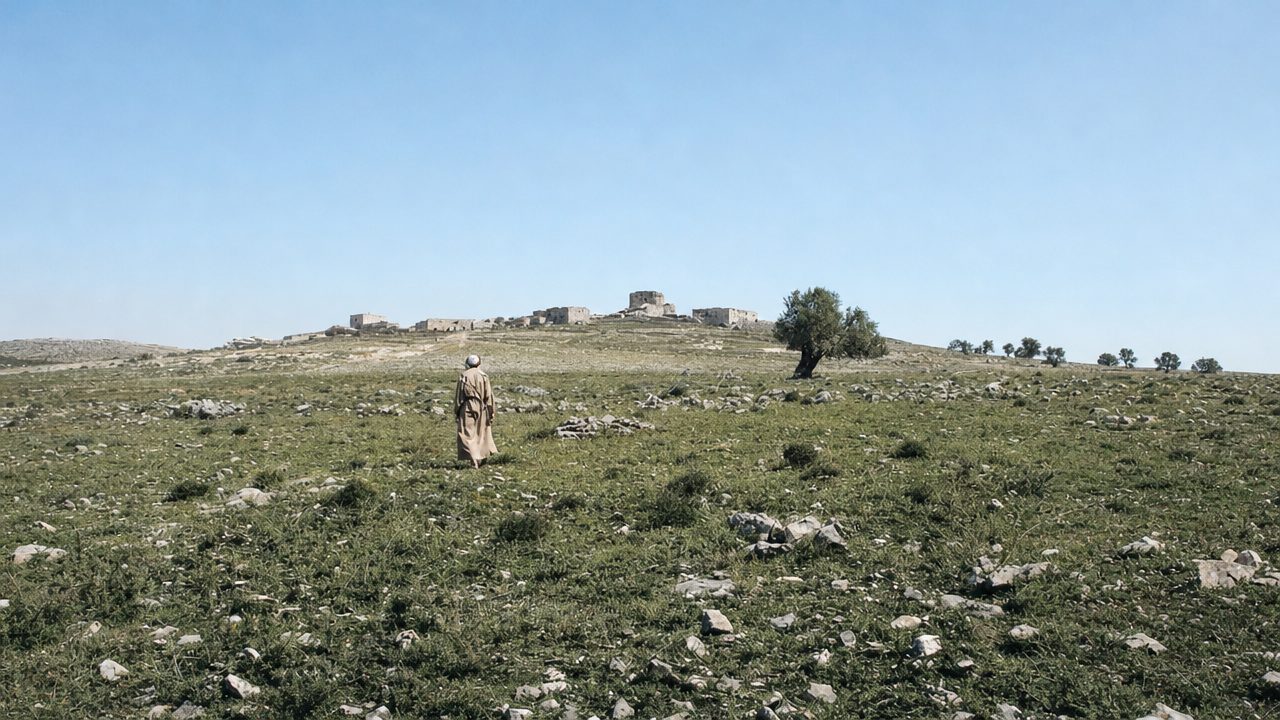
Geba is generally identified with Jaba, a tell — a mound raised by one settlement built on the ruins of the last. It has been surveyed but not excavated, and at its largest covered 2 hectares.
Occupation shows in 5 dated phases: Iron Age I, Iron Age II, Hellenistic, Roman, Byzantine.
The excavation is from the survey dataset From Villages to Empires (Zanoni and others, 2025), used under CC BY 4.0. The identification is the one modern scholarship settles on, compiled by OpenBible.info from over seventy works, also under CC BY 4.0. Identifying a mound with a biblical name is a scholarly judgement, and for some places it is still debated.
Easton’s Bible Dictionary
The hill, (2 Samuel 5:25 [1 Chronicles 14:16, “Gibeon”]; 2 Kings 23:8; Nehemiah 11:31), a Levitical city of Benjamin (1 Kings 15:22; 1 Samuel 13:16; 14:5, wrongly “Gibeah” in the A.V.), on the north border of Judah near Gibeah (Isaiah 10:29; Joshua 18:24, 28). “From Geba to Beersheba” expressed the whole extent of the kingdom of Judah, just as “from Dan to Beersheba” described the whole length of Palestine (2 Kings 23:8). It has been identified with Gaba (Joshua 18:24; Ezra 2:26; Nehemiah 7:30), now Jeb’a, about 5 1/2 miles north of Jerusalem.
From M. G. Easton, Illustrated Bible Dictionary (1893), in the public domain.
Named in 14 verses
1 Samuel1 verse
1 Kings1 verse
2 Kings1 verse
2 Chronicles1 verse
Ezra1 verse
Isaiah1 verse
Zechariah1 verse
The place, its people and its events come from Theographic, a knowledge graph of the Bible by Robert Rouse, used and shared under CC BY-SA 4.0.